Intro
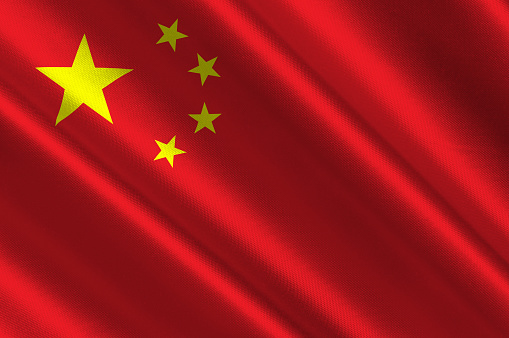
China is strengthening global influence through economic diplomacy, using trade, infrastructure investment, lending, and long-term partnerships to deepen relationships across key regions. The strategy matters because influence is not built only through military power or formal alliances. It can also grow through ports, railways, supply chains, finance, and market access.
Main details
Economic diplomacy gives China several routes to influence. Trade links can make countries more connected to Chinese demand. Infrastructure projects can tie governments to Chinese finance, companies, and technical standards. Development partnerships can create goodwill where Western investment is seen as slow, conditional, or inconsistent.
For partner countries, the appeal can be practical. Roads, ports, energy projects, and digital infrastructure may support growth and improve connectivity. Governments often welcome investment that promises visible results, especially when domestic budgets are limited.
The risks are also real. Large projects can create debt concerns, political dependency, environmental disputes, or questions about transparency. Critics argue that economic influence can become leverage if countries feel unable to challenge Beijing without risking trade, finance, or investment ties. Supporters, meanwhile, argue that many countries need infrastructure quickly and should not be forced to choose only between Western and Chinese options.
Context and background
China's rise has changed global diplomacy by making economics central to strategic competition. Many countries now navigate relationships with China, the United States, Europe, and regional powers based on practical economic needs as much as ideology.
This creates a more complex world than a simple alliance map. Governments may cooperate with China on trade while disagreeing on security, technology, human rights, or territorial issues. Economic diplomacy gives Beijing room to build influence even where political trust is limited. It also gives smaller states more bargaining options, though those options can come with long-term strategic costs, political sensitivities, and pressure from rival powers globally today.
Impact and conclusion
The unique angle is that economic diplomacy works slowly. It builds habits, dependencies, expectations, and channels of access over years. China's influence grows not only when countries agree with Beijing, but when they begin to factor Chinese economic reaction into their own foreign-policy choices.