Intro
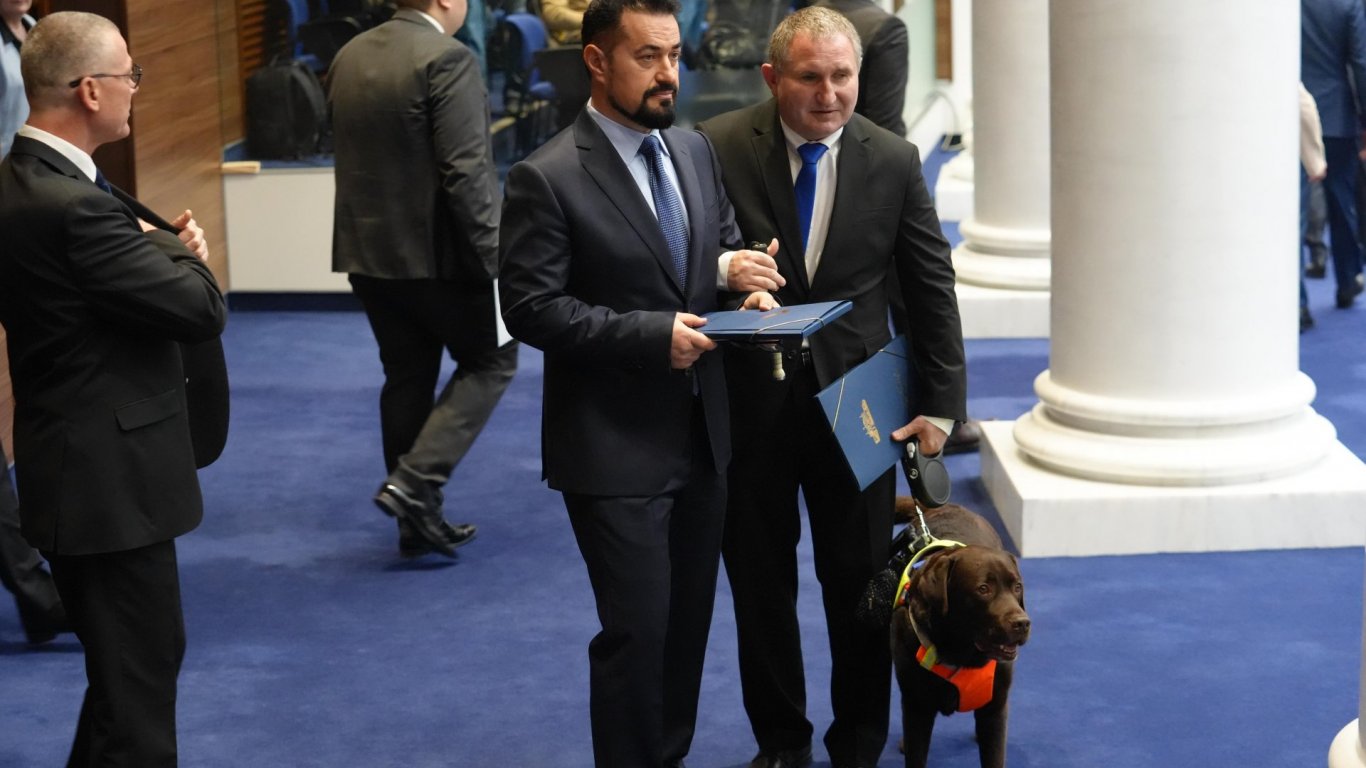
A guide dog named Rover has become an unexpected public symbol inside Bulgaria's National Assembly, where he assists visually impaired Member of Parliament Ivan Yanev. Rover is not an official lawmaker, but his regular presence beside Yanev has made him one of the most talked-about figures in the chamber.
Main details
The Labrador has assisted Yanev for four years, supporting his independence and helping him move through daily responsibilities in public life. Yanev has described the relationship as a partnership, with Rover playing a practical role that also carries a wider message about inclusion.
Rover's visibility has led some observers to refer to him informally as the "241st deputy." The phrase is symbolic rather than official, but it reflects how strongly the dog has captured public attention. His presence has made accessibility feel concrete, visible, and human in a setting where policy is often discussed in abstract terms.
The story has also opened a wider conversation about how public institutions accommodate people with disabilities. For supporters of inclusion, Rover's place beside Yanev shows why accessibility should be treated as a normal part of civic life, not as an exception or afterthought.
Context and background
At the same time, Rover's prominence has strengthened calls for better animal welfare protections in Bulgaria. Campaigners and citizens have pointed to continuing concerns around cruelty, abandoned pets, stray animals, and weak enforcement of existing rules.
Advocacy groups argue that stronger penalties, meaningful fines, and more consistent investigations are needed when animals are neglected or abused. Their concern is not only that laws exist, but that they are applied with enough seriousness to change behaviour and protect vulnerable animals.
Impact and conclusion
For many supporters, Rover's presence connects two ideas that are often treated separately: respect for human dignity and responsibility toward animals. The guide dog has become a quiet reminder that a compassionate society is measured not only by what it says in law, but by how it treats people and animals in everyday life.
It is not yet clear whether the attention will lead to immediate policy change. Still, the conversation has already moved beyond a single parliamentary image. Without speaking a word, Rover has helped bring accessibility, empathy, and animal welfare into the public eye.