Intro
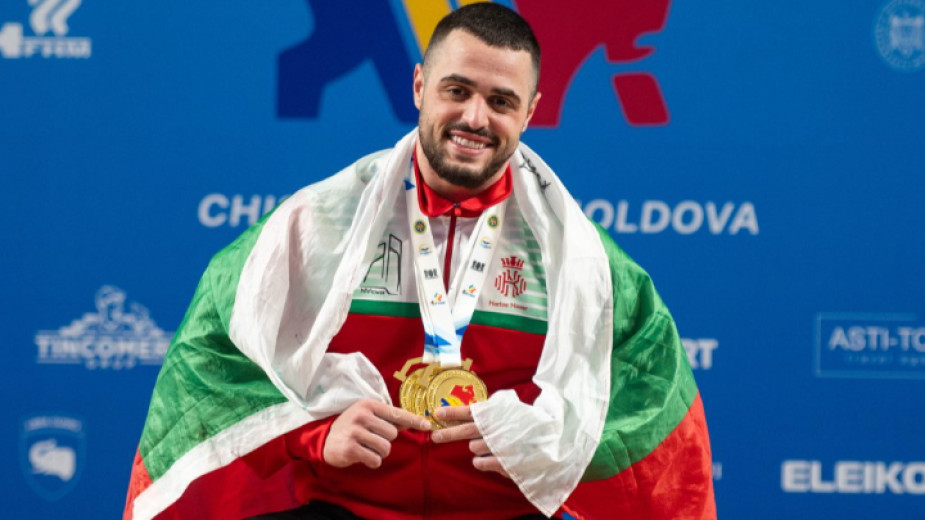
Bulgarian weightlifting standout Karlos Nasar delivered another powerful statement on the European stage, winning gold at the 2026 European Weightlifting Championships in Batumi, Georgia. His performance confirmed his place among the continent's elite lifters and added fresh momentum to one of Bulgaria's most exciting modern sport stories.
Main details
Nasar competed in the men's 94kg category and finished with a 386kg total, built from a 176kg snatch and a 210kg clean and jerk. That was enough to secure the European title and keep him clear of his closest rivals. The numbers mattered, but so did the control behind them. From the opening attempts, he looked composed, technically sharp, and confident in the pressure of a major championship setting.
His lifting was not simply about raw power. Nasar showed the timing, balance, and discipline that have made him one of the most reliable athletes in the sport. Even when the competition tightened, he stayed focused on building a total that would put the gold medal beyond reach. That ability to manage the platform calmly is a major reason his victories now feel repeatable rather than accidental.
The Batumi event was a strong test because the European field included experienced lifters with genuine medal ambitions. Several arrived hoping to challenge Nasar's control of the category, but he again found a way to make the final result feel convincing. For Bulgaria, the win also gave supporters another performance to rally around at a time when his rise has renewed public interest in weightlifting.
Context and background
Bulgaria has a long and proud weightlifting history, and Nasar is increasingly being viewed as the athlete carrying that tradition into a new era. His achievements have already placed him among the most recognisable names in the sport, but what makes his rise especially important is the way it connects past success with a younger generation of Bulgarian athletes.
Weightlifting is often judged by records and totals, but legacy is built through consistency. Nasar's repeated success shows that he can handle expectation as well as competition. That matters because every victory now brings more pressure, more attention, and more opponents preparing specifically to beat him.
Impact and conclusion
The unique angle is that Nasar is not only winning medals; he is making Bulgarian weightlifting feel relevant again on the biggest stages. His Batumi gold strengthens his status as a serious contender wherever he competes next. If he continues developing with the same discipline, his journey could become one of the defining stories of modern weightlifting.