Intro
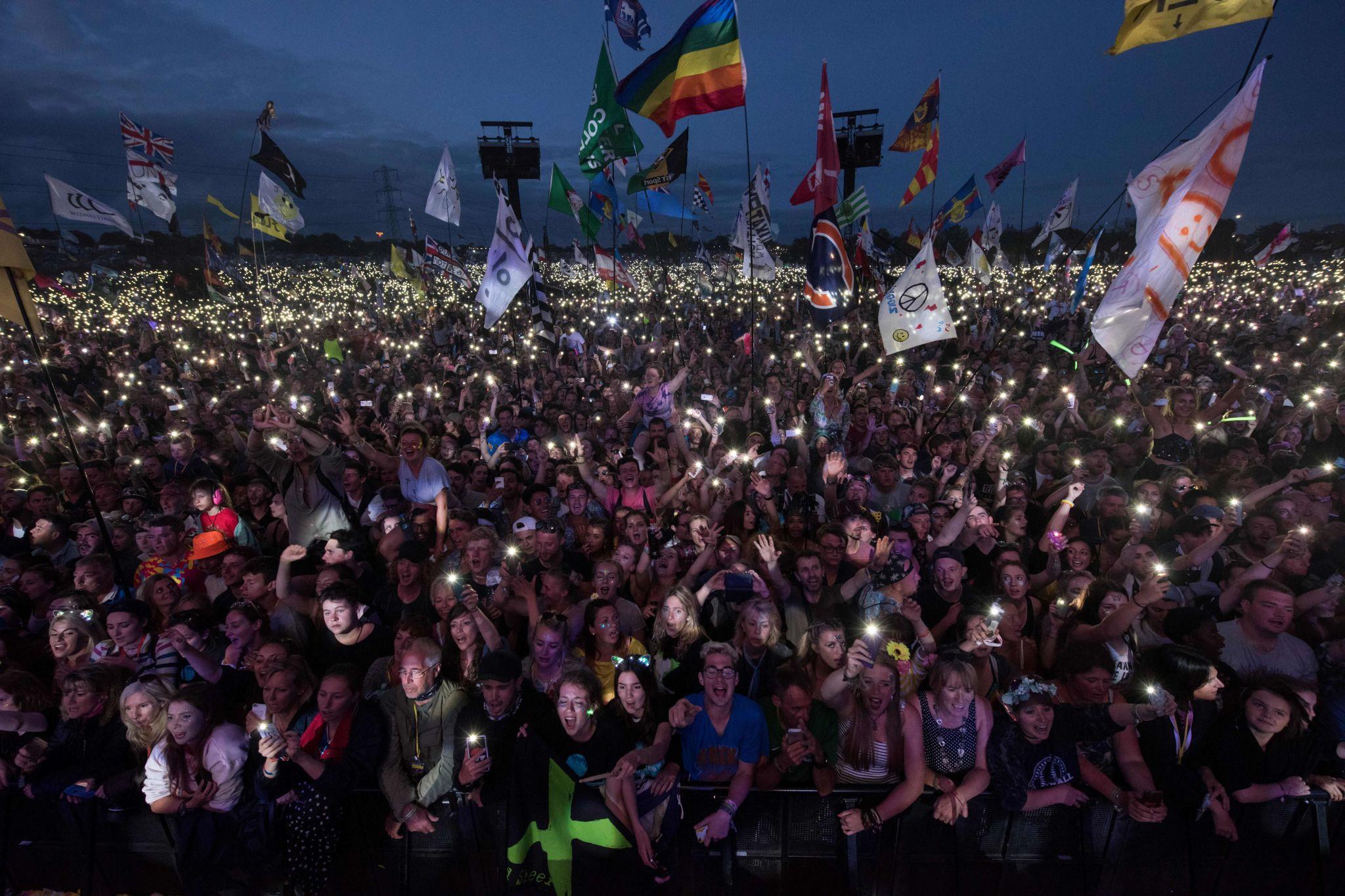
Music festivals across Europe are experiencing a strong revival, drawing massive crowds and reclaiming their place as some of the most anticipated cultural events of the year. From iconic gatherings in the United Kingdom to electronic showcases in Belgium, the festival landscape is expanding both in scale and global influence.
Main details
Well-known events such as Glastonbury Festival and Tomorrowland are once again dominating the summer calendar, with tickets selling out within minutes. Fans are traveling from across the world to attend, turning these festivals into international destinations rather than local celebrations.
One of the biggest shifts is the scale of production. Organizers are investing heavily in stage design, lighting systems, and immersive visuals. Modern festivals now blend music, technology, and storytelling into a single experience, creating an atmosphere that goes far beyond traditional concerts.
Artists are also adapting their performances specifically for these large-scale events. Many use festival stages to debut new music, collaborate with other performers, or create unique live moments that cannot be replicated elsewhere.
Context and background
The resurgence of festivals reflects a broader shift in entertainment consumption. Audiences are increasingly seeking live, shared experiences that offer connection and authenticity. After years of digital-first content, large events provide something that cannot be replaced by streaming or social media.
At the same time, festivals play a significant economic role. They boost tourism, increase demand for hospitality and transport services, and encourage local investment in infrastructure. Cities and regions hosting these events benefit from both immediate revenue and long-term exposure.
Sustainability is also becoming a central focus. Organizers are introducing recycling systems, reducing waste, and encouraging eco-friendly travel options. Digital tools such as mobile apps and cashless payments are further improving the overall visitor experience.
Impact and conclusion
Despite rising ticket prices and logistical challenges, demand for music festivals remains strong. For many people, these events represent more than entertainment-they offer community, identity, and shared moments on a global scale.
As Europe moves deeper into the summer season, its festival scene is proving not only resilient but stronger than ever. With larger audiences, more advanced production, and growing international appeal, music festivals continue to shape the future of live entertainment.