Intro
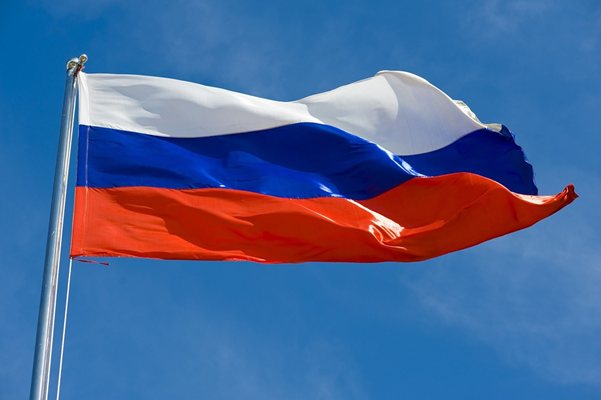
Russia naming European sites as potential targets has intensified tensions over support for Ukraine and raised concern about wider escalation across Europe. The warning matters because it is not only a military message. It is also political signalling aimed at governments, publics, and alliances weighing how far support should go.
Main details
The immediate concern is escalation. When Russia links European sites to Ukraine-related activity, it increases pressure on governments that are already trying to balance military assistance, deterrence, and domestic reassurance. Even if no direct action follows, the threat can change the tone of the debate.
European leaders have to consider how to respond without appearing intimidated or reckless. A weak response could invite more pressure, while an overly dramatic response could add to public anxiety. That makes communication almost as important as military planning.
The issue also reflects how the war has changed security thinking. Infrastructure, logistics hubs, drone production, intelligence support, and supply routes are now part of the wider strategic conversation. Modern conflict does not only involve front lines; it also involves the networks that allow a country to keep fighting. That makes threat language more complicated, because civilian, industrial, and military-linked systems can become blurred in public debate.
Context and background
European support for Ukraine has been central to the war's wider political balance. Military aid, training, financial backing, sanctions, and diplomatic coordination have all made Europe part of the conflict's strategic environment, even without direct NATO-Russia war.
Russia has often used warnings and public threats as part of its pressure campaign. Such statements can test alliance unity, influence public opinion, and force governments to spend time explaining risk to voters. For European leaders, the challenge is to show that support for Ukraine remains deliberate and coordinated, rather than reactive to every new warning. That requires steady public messaging, practical defence planning, and unity between allies when pressure rises.
Impact and conclusion
The unique angle is that threats can have impact even without immediate action. They shape budgets, public fear, diplomatic language, and defence planning. Europe's challenge is to stay clear-eyed: take the risk seriously, but avoid letting intimidation decide policy or weaken long-term security commitments.