Intro
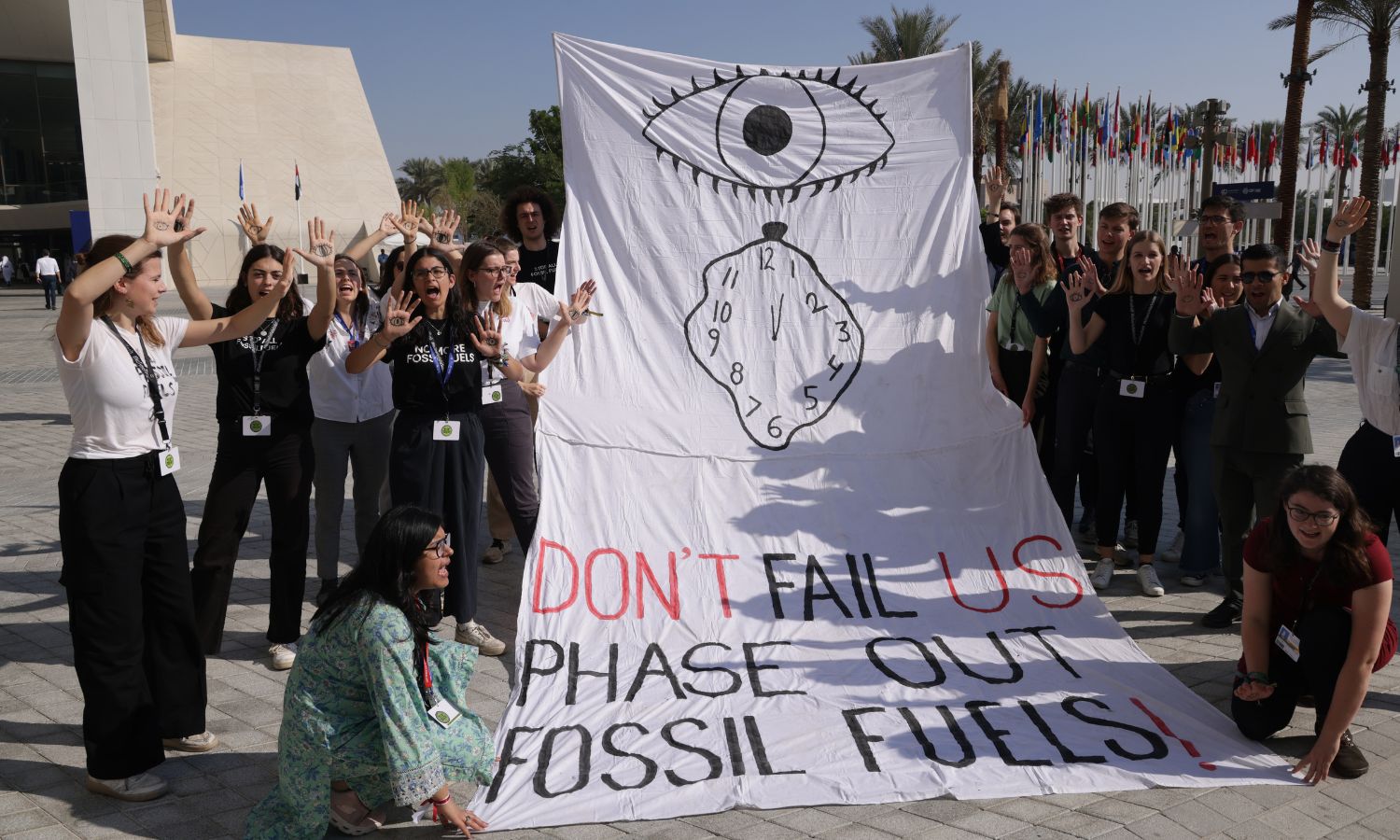
The global climate summit is intensifying the shift away from fossil fuels, but the hardest question is practical rather than symbolic. Leaders are debating how to cut reliance on oil, gas, and coal while still protecting jobs, growth, energy security, and fairness between wealthy and developing nations over time now.
Main details
Renewable energy is at the centre of the talks. Solar, wind, hydropower, storage, and grid upgrades are being presented as the route to cleaner growth. But building that system requires money, planning, skilled workers, and reliable infrastructure. Targets are easier to announce than power networks are to rebuild.
Developing countries are pressing for more support because they face a different challenge. Many need affordable energy to expand industry, transport, and public services. If wealthier nations want a faster transition, poorer countries argue that finance and technology must be part of the deal, not an optional extra.
There is also a political tension inside the transition. Communities built around fossil-fuel jobs fear being left behind. Governments know that climate action can lose public support if it looks like higher bills, lost work, or slower growth. That is why the summit is focused not only on what should change, but how the change is managed.
Context and background
Climate summits often produce ambitious language, but implementation has been uneven. Emissions targets, finance pledges, and transition plans only matter if they lead to real investment, cleaner grids, and lower dependence on fossil fuels.
The context is also economic. Energy prices, inflation, and industrial competition make governments careful about moving too quickly. At the same time, extreme weather and climate damage are making delay harder to defend. That tension explains why climate diplomacy often moves slowly even when the scientific case for faster action is clear. Countries are negotiating over political risk as much as emissions, finance, and timing pressures.
Impact and conclusion
The unique angle is that the summit is testing trust. Countries agree on the need for cleaner energy, but not always on who pays, who moves first, and who carries the risk. If leaders turn promises into credible investment, the transition can accelerate. If not, the gap between climate ambition and delivery will remain the central problem.