Intro
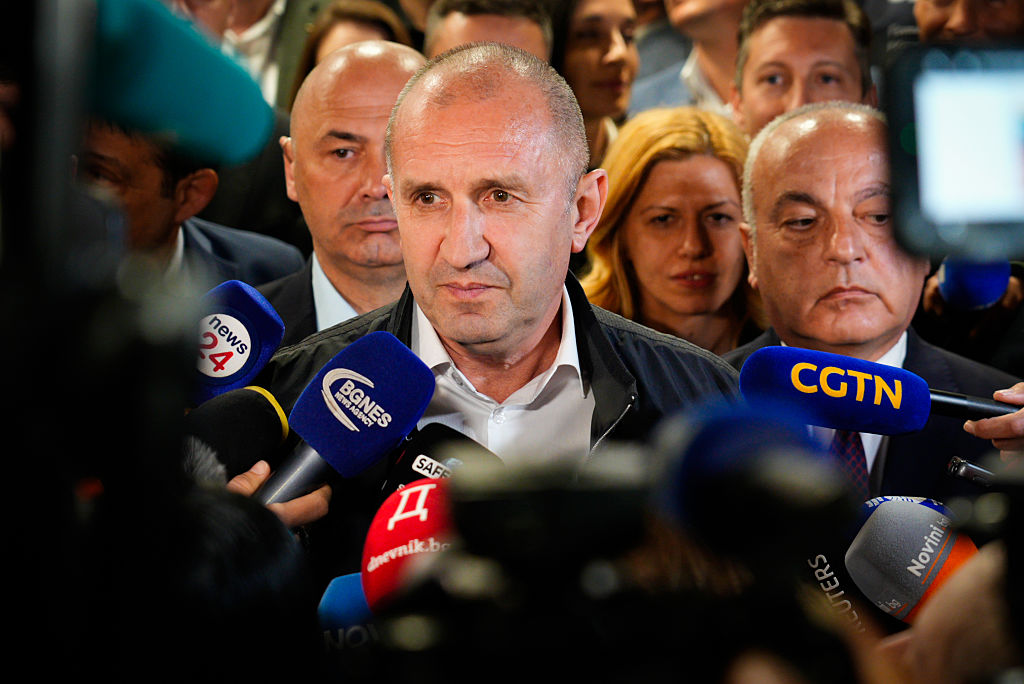
Rumen Radev's political comeback is more than a personal return to power. It is a sign that Bulgarian voters are tired of short-lived governments, party bargaining, and promises that disappear after election night. His new Progressive Bulgaria movement has turned frustration into a clear mandate, but the real test starts now: whether a campaign built on reform can survive the pressure of governing.
Main details
Radev's victory came after a long period of political fatigue in Bulgaria. The country has moved through repeated elections, caretaker governments, and coalition arguments that made many voters feel the system was stuck. Against that backdrop, Radev offered a direct message: stronger institutions, less corruption, and a government that looks more stable than the fragmented politics of recent years.
That message worked because it felt simple and emotional. Radev did not only sell policy; he sold control. For voters who have watched parties collapse into blame games, his pitch was that Bulgaria needs a firm political centre again. The early focus will be on whether he can build a capable team, avoid old patronage networks, and show visible progress without turning reform into political theatre. That is his biggest advantage, but also his biggest risk. A strong mandate creates hope, and hope quickly becomes impatience if prices, public services, and corruption cases do not improve.
Context and background
Radev is not a new face in Bulgarian public life. As president, he built an image as a serious, disciplined figure outside the usual party machinery. That helped him appeal to voters who distrust the political class. But his record also brings controversy, especially around Bulgaria's place in Europe, relations with Russia, and military support for Ukraine.
This is why the result matters beyond Bulgaria. The country is part of both the EU and NATO, so any shift in tone from Sofia will be watched closely. Radev may want to present himself as pragmatic, but Brussels will look for actions, not slogans.
Impact and conclusion
The unique angle here is that Radev has won because he looks like an answer to chaos. Now he has to prove he is not just another chapter of it. If he delivers cleaner government and steadier leadership, Bulgaria could enter a more stable phase. If he disappoints, the backlash may be sharper because voters gave him exactly what politicians usually ask for: a real chance.