Intro
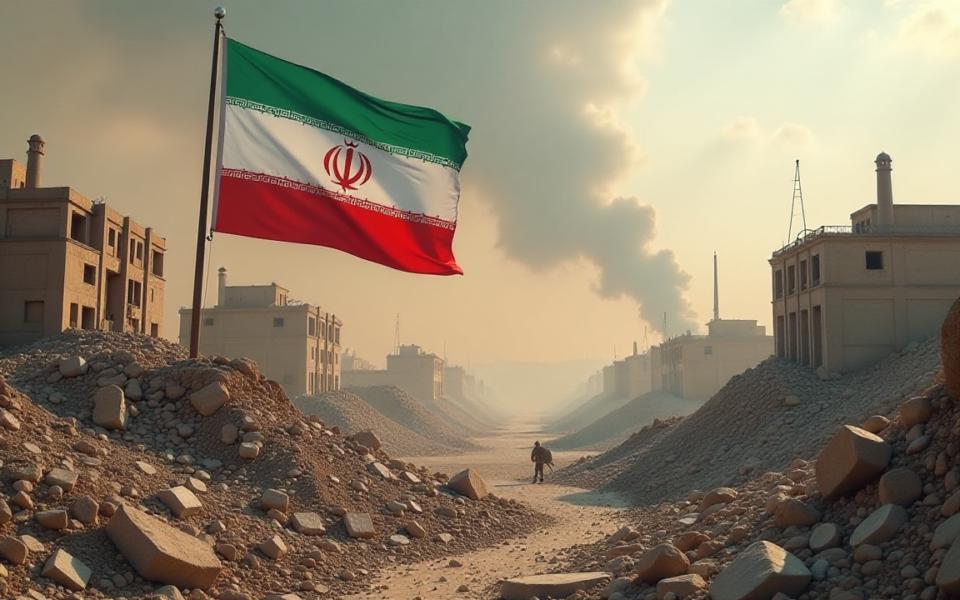
Iran conflict concerns are threatening the global economy as energy risk, trade disruption, and market uncertainty spread. The economic danger comes from geography as much as politics. When tension rises near key energy and shipping routes, investors quickly begin pricing in the possibility of wider disruption and longer-lasting instability.
Main details
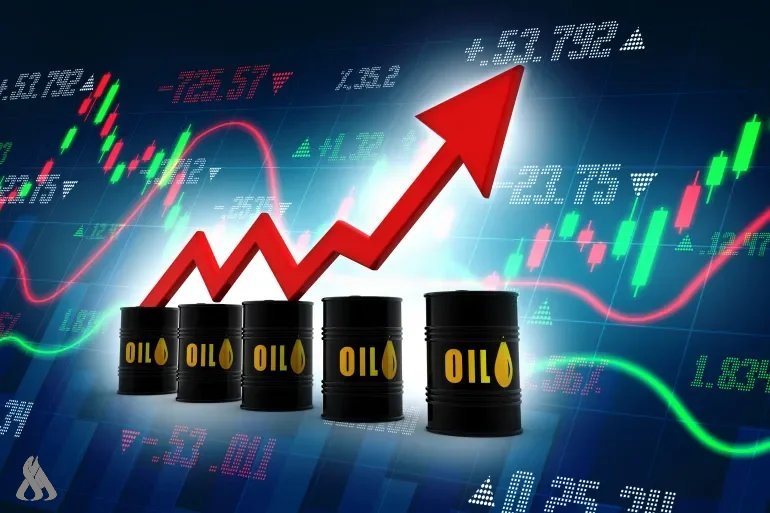
Energy markets are usually the first place anxiety appears. Iran sits close to routes and infrastructure that matter to global oil flows, so any escalation can raise fears about supply, shipping security, and insurance costs. Even if physical disruption remains limited, prices can rise because traders are reacting to risk.
That matters for inflation. Higher oil and fuel costs can push up transport, production, and household expenses. For central banks, a conflict-driven price shock is especially awkward because it can lift inflation while also weakening confidence and growth. Policy tools are not always well suited to that kind of supply-side pressure.
Trade disruption is another concern. Shipping delays, rerouting, higher insurance costs, and uncertainty around regional security can affect businesses far beyond the conflict zone. Companies may delay investment, adjust supply chains, or build in extra costs, all of which can slow activity. The effect can be gradual, but once firms start planning for disruption, prices and delivery times can change quickly.
Context and background
Global markets are sensitive to Middle East tensions because the region remains central to energy supply and strategic transport routes. Even countries that do not import directly from the area can be affected through global prices, investor sentiment, and currency movements.
The wider economy is also more vulnerable when conflict risk appears alongside existing inflation pressure, high debt, and cautious consumers. In that environment, one regional crisis can quickly become a global confidence problem. This is why central banks, governments, and investors pay close attention to escalation signals, even when the direct economic damage is still uncertain. They are watching not only what happens now, but how quickly risk could spread.
Impact and conclusion
The unique angle is that markets often fear uncertainty more than the first shock itself. If investors can estimate the damage, they can adjust. When escalation is unclear, caution spreads. That is why the Iran conflict risk matters economically: it threatens energy, trade, and confidence at the same time.