Intro
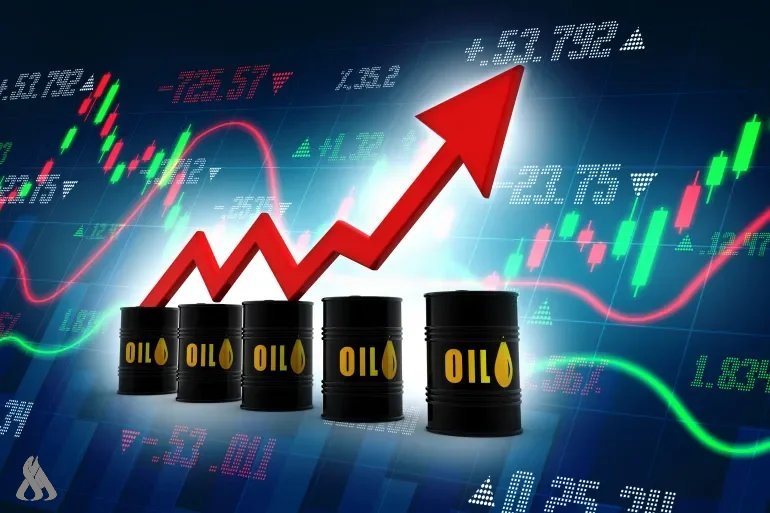
Oil prices are rising because traders, governments, and businesses are pricing in disruption before it fully arrives. Supply constraints, regional tension, and shipping-route fears have made energy markets nervous at a time when many economies are already sensitive to inflation. The result is a familiar chain reaction: higher crude prices, higher transport costs, and fresh pressure on household bills.
Main details
The immediate concern is supply. When output slows, shipping routes look unsafe, or producers face operational problems, the market responds quickly because oil is built into almost every part of the economy. It moves goods, powers transport networks, affects plastics and chemicals, and influences the cost of producing and delivering everyday items.
The Strait of Hormuz remains especially sensitive because it is one of the world's most important energy chokepoints. Even if barrels are still moving, the possibility of disruption can be enough to push prices higher. Traders do not wait for a full crisis; they often move as soon as the risk looks credible.
That is why oil shocks spread so quickly. A higher crude price can lift petrol and diesel costs, increase freight bills, and make food and consumer goods more expensive to move. Businesses may try to absorb some of the increase, but if pressure lasts, costs usually reach customers. For households, the effect is simple and painful: less money left after essential spending.
Context and background
Oil markets have always been sensitive to politics because supply is concentrated in regions where conflict, sanctions, shipping security, and producer decisions can all affect availability. Energy demand is also difficult to cut quickly, especially for transport, aviation, manufacturing, and heating.
This matters more when inflation is already a concern. Central banks can raise interest rates to cool demand, but they cannot easily create more oil or make shipping lanes safer. That makes energy-driven inflation especially awkward: it can raise prices while also weakening consumer confidence. It also gives producers and shipping insurers more influence over the mood of the wider economy.
Impact and conclusion
The unique angle is that oil prices are a confidence signal as much as a cost signal. When energy markets look unstable, investors become cautious, businesses delay decisions, and households prepare for higher bills. If supply fears ease, prices may cool. If disruption persists, oil could become the pressure point that keeps inflation anxiety alive.