Intro
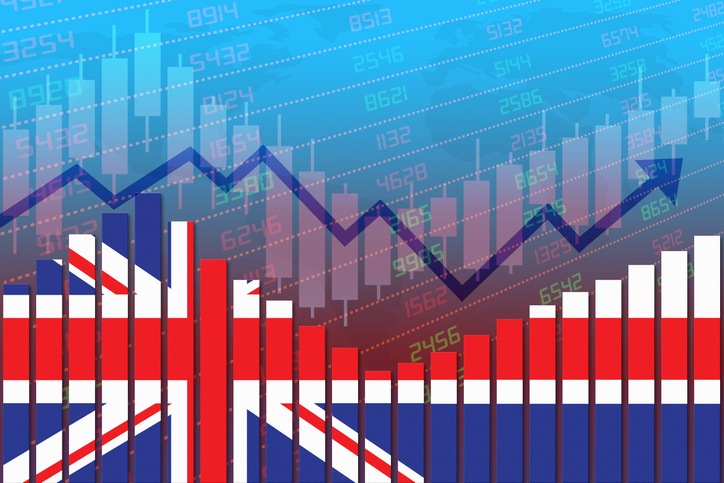
The UK economy is under strain because confidence is weakening across households and businesses. Higher prices, borrowing costs, and global instability are making people more cautious with money. The risk is that caution becomes self-reinforcing: consumers spend less, firms invest less, and growth becomes harder to restart. That makes sentiment a practical economic force, not just a survey result.
Main details
For households, the pressure is immediate. Food, energy, rent, mortgage payments, and transport costs all compete for space in the monthly budget. Even when wages rise, many people still feel poorer because essentials absorb the increase before it reaches savings or discretionary spending.
That caution reaches the wider economy quickly. Retailers, restaurants, travel firms, and service businesses depend on people feeling secure enough to spend beyond the basics. When consumers pull back, companies see weaker demand and become more careful with hiring, stock, and expansion plans.
Businesses are facing their own squeeze. Higher energy bills, wage pressure, expensive borrowing, and uncertain global conditions make planning harder. A company may still want to grow, but if demand looks fragile and credit is costly, delaying investment can feel safer than taking a risk. That is understandable, but if many firms do it at once, the economy loses momentum, hiring plans weaken, and productivity suffers.
Context and background
The UK has been dealing with a difficult mix of inflation, interest-rate pressure, weak productivity, and uneven consumer confidence. The Bank of England has to control price growth, but tighter policy also makes loans and mortgages more expensive. That leaves policymakers trying to cool inflation without freezing the economy.
Confidence matters because it links the numbers to real behaviour. People may not follow every economic indicator, but they know whether shopping, bills, and housing feel manageable. That feeling shapes the choices that drive growth. It also affects how quickly any recovery can be felt outside official forecasts. In that sense, the confidence problem becomes a growth problem.
Impact and conclusion
The unique angle is that confidence is both a symptom and a cause. If households and businesses believe conditions are getting worse, they act defensively, and that can make weakness spread. A steadier outlook on prices, rates, and jobs would help. Without it, the UK may remain stuck in a cautious, low-energy economy.