Intro
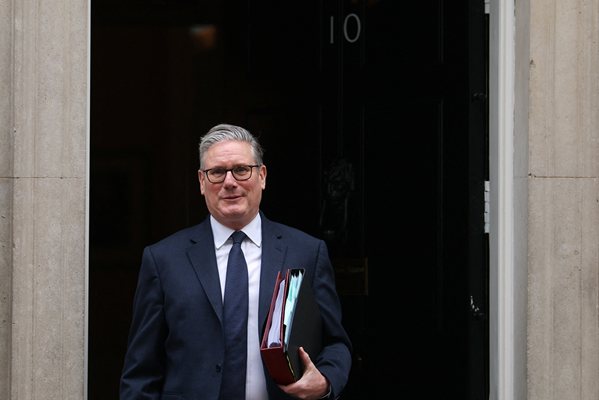
Keir Starmer says the UK will not be drawn into a wider war involving the United States, Israel, and Iran, despite rising regional tension. The statement matters because it aims to reassure the public while also signalling that Britain is watching escalation risks carefully and does not want crisis management to become open-ended military commitment.
Main details
The UK's position is delicate. Britain has close ties with the United States and important security relationships in the Middle East, but public support for new military involvement is often cautious. A clear statement of restraint can help limit expectations while leaving room for diplomacy.
The challenge is that regional crises do not always respect political boundaries. Attacks, retaliation, shipping disruption, or threats to allies can quickly create pressure for a response. That means the government must prepare for scenarios without sounding as if it is seeking confrontation.
Starmer's message also reflects the importance of language in crisis moments. Saying the UK will not be drawn into war is not the same as saying it will ignore regional security. The government still has to support de-escalation, protect British interests, coordinate with allies, and respond to risks around energy and trade.
Context and background
UK policy in Middle East crises is often shaped by alliance politics, international law, public opinion, and the memory of past interventions. Leaders know that military decisions can carry long political consequences at home and abroad.
The wider regional picture is also complex. U.S.-Iran tension, Israel's security concerns, Gulf shipping routes, and energy markets all overlap. A British prime minister has to speak carefully because words can reassure one audience while alarming another. The UK also has to consider citizens abroad, military personnel, diplomatic relationships, and the risk that economic disruption could reach domestic households through fuel and prices.
Impact and conclusion
The unique angle is that staying out of war still requires active policy. Restraint is not passive if it comes with diplomacy, deterrence, and clear communication. Starmer's test is whether the UK can remain firm with allies while avoiding steps that make escalation harder to contain.