Intro
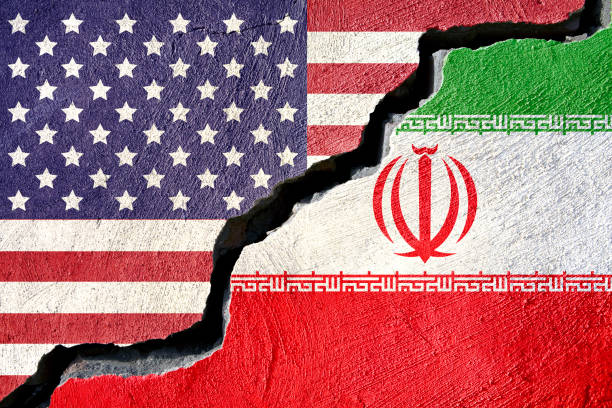
U.S.-Iran tensions are dominating the global agenda as fears of wider conflict grow across diplomatic, economic, and security circles. The concern is that even limited confrontation could spread through energy markets, shipping routes, regional alliances, and political decision-making far beyond the immediate flashpoints.
Main details
The first risk is escalation. The United States and Iran both operate within a region where allied groups, military assets, shipping lanes, and energy infrastructure sit close together. That creates room for miscalculation, especially when pressure rises and leaders face domestic demands to appear strong.
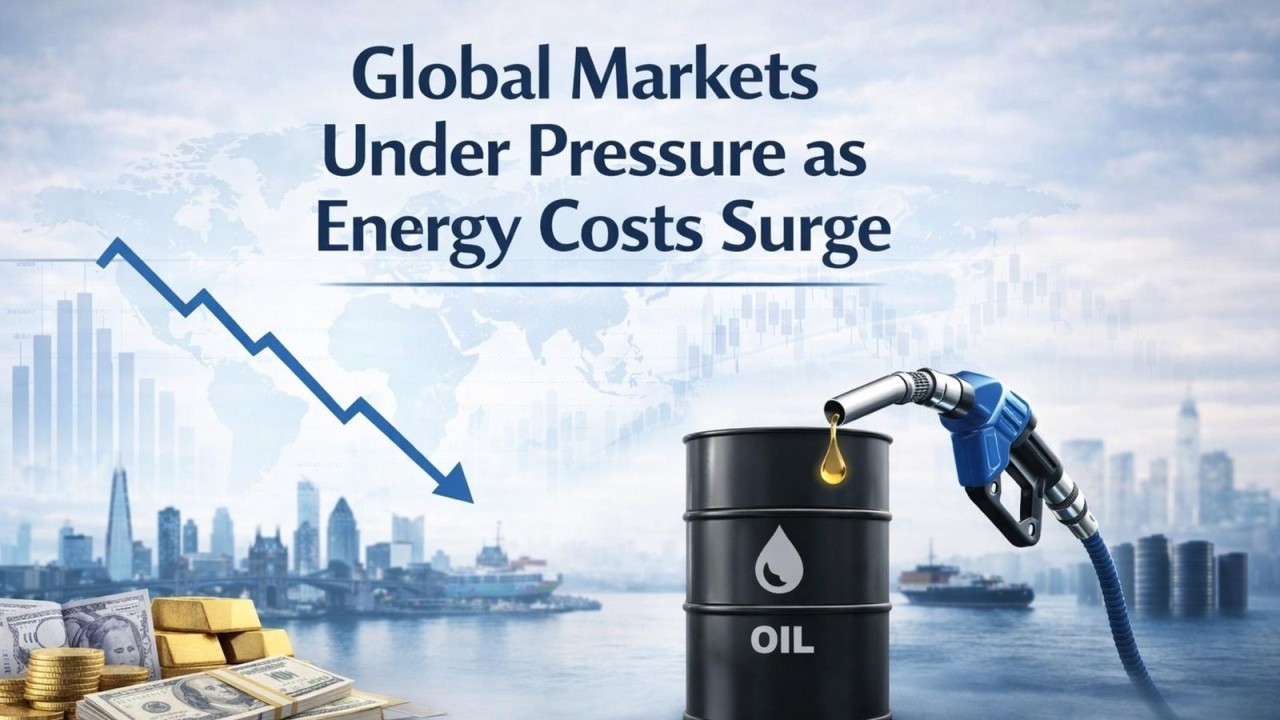
Economic risks follow quickly. Tension around the Gulf can affect oil prices, insurance costs, shipping confidence, and investor sentiment. Even when supplies continue moving, markets may price in the possibility of disruption. That can raise costs for consumers and businesses already dealing with inflation pressure.
Diplomacy becomes harder in this environment. Governments may want to prevent escalation, but they also need to reassure allies and deter attacks. Public threats, military movements, and sanctions can all be intended as signals, yet each signal can be read differently by the other side. That makes back-channel communication, restraint, and clear messaging more important, even when public rhetoric becomes tougher.
Context and background
U.S.-Iran tensions have long shaped Middle East politics through disputes over security, sanctions, nuclear activity, regional influence, and support for allied groups. The relationship is built on mistrust, which makes crisis management especially difficult.
The wider international system is also more fragile when these tensions rise. Energy markets are sensitive, major powers are divided, and several regional conflicts already compete for diplomatic attention. That makes every new escalation signal more important. It also means that regional tension can quickly become a global agenda item, because governments far from the Middle East still face fuel, trade, and security consequences.
Impact and conclusion
The unique angle is that the danger is not only a planned war. It is the chain reaction that could follow a mistake, a strike, a misread signal, or pressure from allies. That is why U.S.-Iran tensions dominate the agenda: they connect regional security with global economic confidence.